The New Food Pyramid and What It Means for Our Plates
By Sharon E. Hawks
When federal nutrition guidance changes, it doesn’t just affect charts and classrooms — it shapes what shows up on our grocery lists, dinner tables, and in programs like school meals, SNAP, and WIC. That’s why the recent announcement of a new food pyramid has sparked such strong reactions from nutrition experts, public health leaders, and community advocates across the country.
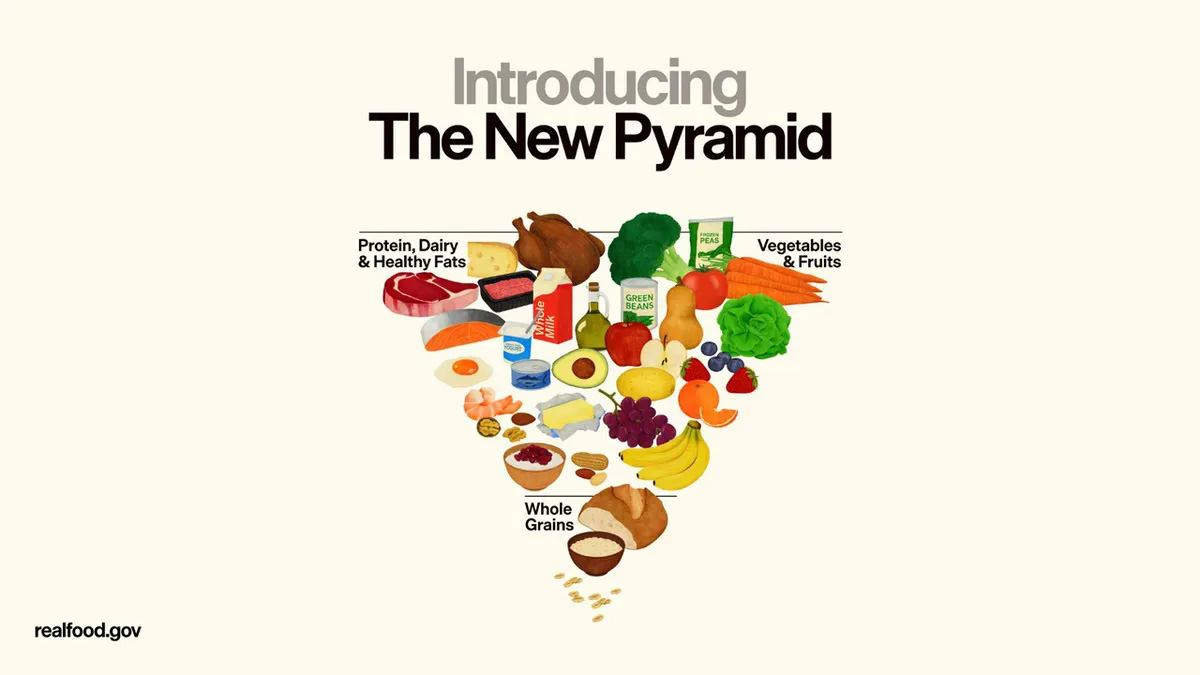
The updated pyramid represents one of the most dramatic shifts in federal nutrition messaging in decades. It moves away from the familiar MyPlate model and instead emphasizes protein, fats, fruits, and vegetables at the top of the pyramid, with whole grains, carbohydrates, and grains pushed toward the bottom. Supporters say this reflects a long-overdue focus on whole foods and a move away from ultra-processed products. But many nutrition experts argue that the science behind these changes, and the way they are being communicated, leaves too much room for confusion.
One of the biggest concerns is ambiguity. The new recommendations appear to elevate animal-based proteins and full-fat dairy while still advising people to limit saturated fat to less than 10 percent of daily calories. That’s a difficult balance to strike in practice, particularly because red meat and full-fat dairy are among the primary sources of saturated fat in the American diet. Without clearer guidance, consumers are left to guess how to reconcile these competing messages.
There are also questions about what has been deemphasized. Compared to prior guidelines, daily targets for fruits, vegetables, and whole grains are less clearly defined, even though decades of research link higher intake of these foods to lower risks of heart disease, diabetes, and certain cancers.
As a nutritionist and a member of the Black Women’s Health Imperative board, I believe it’s important to separate what’s useful in this conversation from what needs deeper scrutiny. Reducing ultra-processed foods is a goal many experts agree on. But promoting higher red meat intake and saturated fat without sufficient context raises real concerns, particularly when federal guidance influences millions of families.
For Black women, these gaps matter. We experience disproportionately high rates of heart disease, hypertension, diabetes, and certain cancers, often driven by structural inequities rather than personal choice alone. Nutrition guidance that lacks nuance or context can unintentionally widen those gaps rather than close them.
At the same time, no federal graphic can replace informed, intentional decision-making at home.
At our Atlanta Power in the Pause event, I spoke directly with women navigating perimenopause and menopause about how food choices can support hormonal balance, heart health, and long-term wellbeing. You can watch that conversation here.
Here are some practical, evidence-based considerations to keep in mind as you navigate this moment — pyramid or not.
Be Intentional About Red Meat
Research has linked high consumption of processed and fatty red meats to increased risk of colorectal and other cancers. That doesn’t mean red meat must be eliminated entirely, but it does mean quality and portion size matter. When you do choose red meat, opt for lean cuts and higher-quality sources like grass-fed or pasture-raised when available. Balance meals with plant-based proteins, fish, poultry, beans, and lentils.
Cut Sodium Without Cutting Flavor
Excess sodium contributes to high blood pressure and bloating — issues that often intensify during midlife. Many seasoning blends and marinades are loaded with salt, even when they don’t taste especially salty. Instead, build flavor with spices and herbs such as turmeric, cumin, paprika, garlic powder, ginger, cayenne, rosemary, thyme, and black pepper. These options add depth without the sodium and can support anti-inflammatory health.
Eat Protein First — Especially at Midlife
As estrogen levels change, women are at higher risk for muscle loss, blood sugar swings, and increased appetite later in the day. Starting meals with protein helps stabilize blood sugar, supports muscle maintenance, and keeps you fuller longer. Think eggs, Greek yogurt, grilled fish, tofu, beans, lentils, lean chicken, or nuts and seeds as anchors for your meals.
Get Honest About Added Sugars
Added sugars show up everywhere — salad dressings, sauces, cereals, flavored yogurts, and snacks marketed as “healthy.” High sugar intake is linked to increased inflammation, weight gain, and risk of type 2 diabetes. Look for ways to satisfy sweetness naturally with whole fruit, cinnamon, vanilla, nutmeg, or citrus zest instead of relying on packaged foods with hidden sugars.
Focus on Patterns, Not Perfection
No single food determines health. What matters most is the overall pattern — how often we rely on whole foods, how balanced our plates are, and how well our choices support our bodies over time. Especially during perimenopause and menopause, nutrition should feel supportive, not restrictive.
As conversations about national dietary guidance continue, it’s important to remember that health equity means guidance must work in real life — across cultures, budgets, and life stages. At BWHI, we’ll continue to examine these policy shifts through the lens of evidence, equity, and the lived experiences of Black women.
Guest contributor: Sharon E. Hawks MS, RDN, LDN, CDCES
CEO and Director, Nutrition and Diabetes Education Center