

Behind the Diagnosis: Finding Sisterhood in the Storm
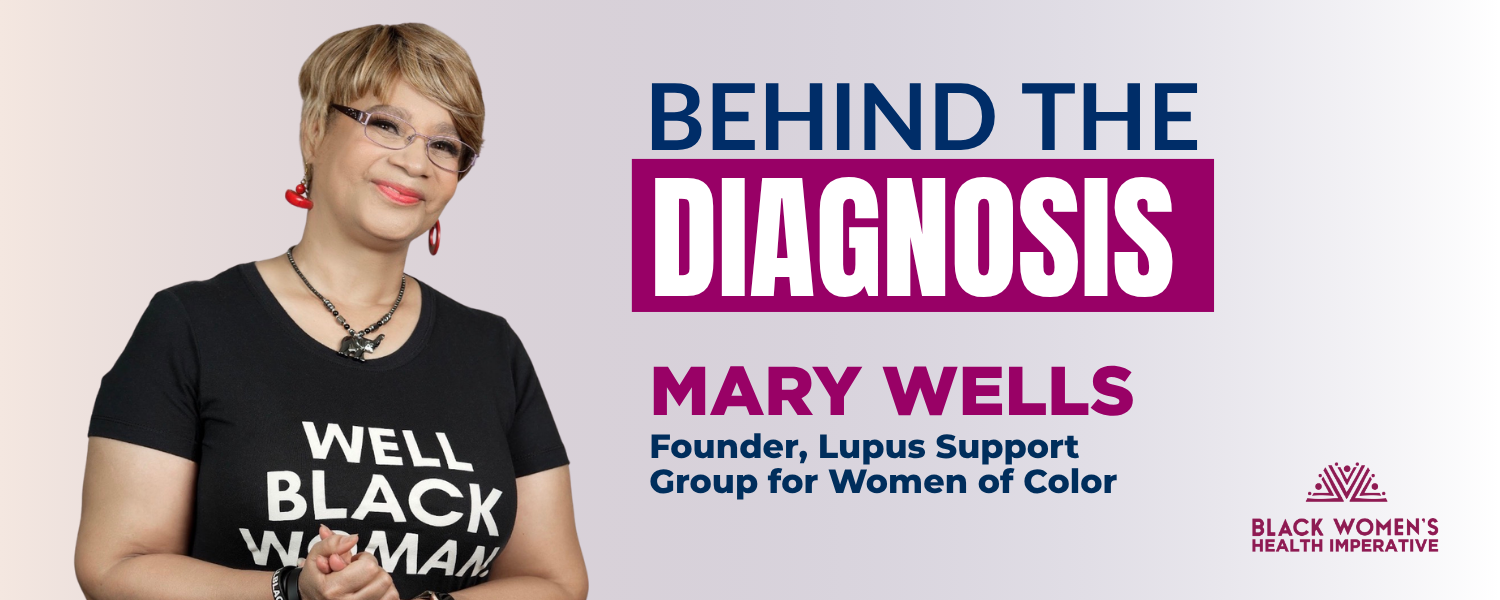
Lupus doesn’t ask for permission, and it doesn’t care how strong you are. For Black women, the burden runs even deeper. We are two to three times more likely to develop lupus than white women, more likely to be diagnosed later, and more likely to experience severe complications. And too often, we are navigating all of it alone.
That is the gap Mary Wells refused to accept.
In 2014, Mary founded the Lupus Support Group for Women of Color (LSGFWOC) after recognizing something that the medical system rarely acknowledges: that Black women and women of color living with lupus needed more than a treatment plan. They needed each other.
“I recognized that Black women and women of color were disproportionately impacted by lupus, yet many of us often felt unseen, unheard, and isolated — not only in healthcare spaces, but sometimes even in broader support systems,” Mary shares.
Her work began with a conversation and a bit of faith. Lisa Peyton, Founder and CEO of the Foundation for Black Women’s Wellness (FFBWW), saw something in Mary before she fully saw it in herself — and that encouragement planted the seed for what would become a thriving sisterhood. Through FFBWW’s incubation partnership, LSGFWOC grew from a vision into a community-led space where women could gather to share stories, ask hard questions, cry, laugh, heal, and hold each other up with honesty and grace.
Years later, that same spirit keeps Mary going.
“What keeps me going is knowing that one woman may join our space feeling scared, isolated, unheard, or unsure — and leave knowing she has a sisterhood standing beside her,” she says.
The legacy she is building is one of trust, advocacy, and lasting community. Not just awareness events. Not just awareness months. A consistent, grounded space where women of color with lupus are seen and supported every single day.
That is the kind of care Black women deserve. And it is the kind of care BWHI stands for.
If you or someone you love is navigating a lupus diagnosis, you do not have to figure it out alone. To learn more about the Lupus Support Group for Women of Color, visit ffbww.org/lupuswarriors. And stay connected with BWHI for ongoing resources, education, and community built around your health and your wholeness.