A Year of Policy Shifts and the Health Consequences We Can’t Ignore
One Year In: Health Policy at an Inflection Point
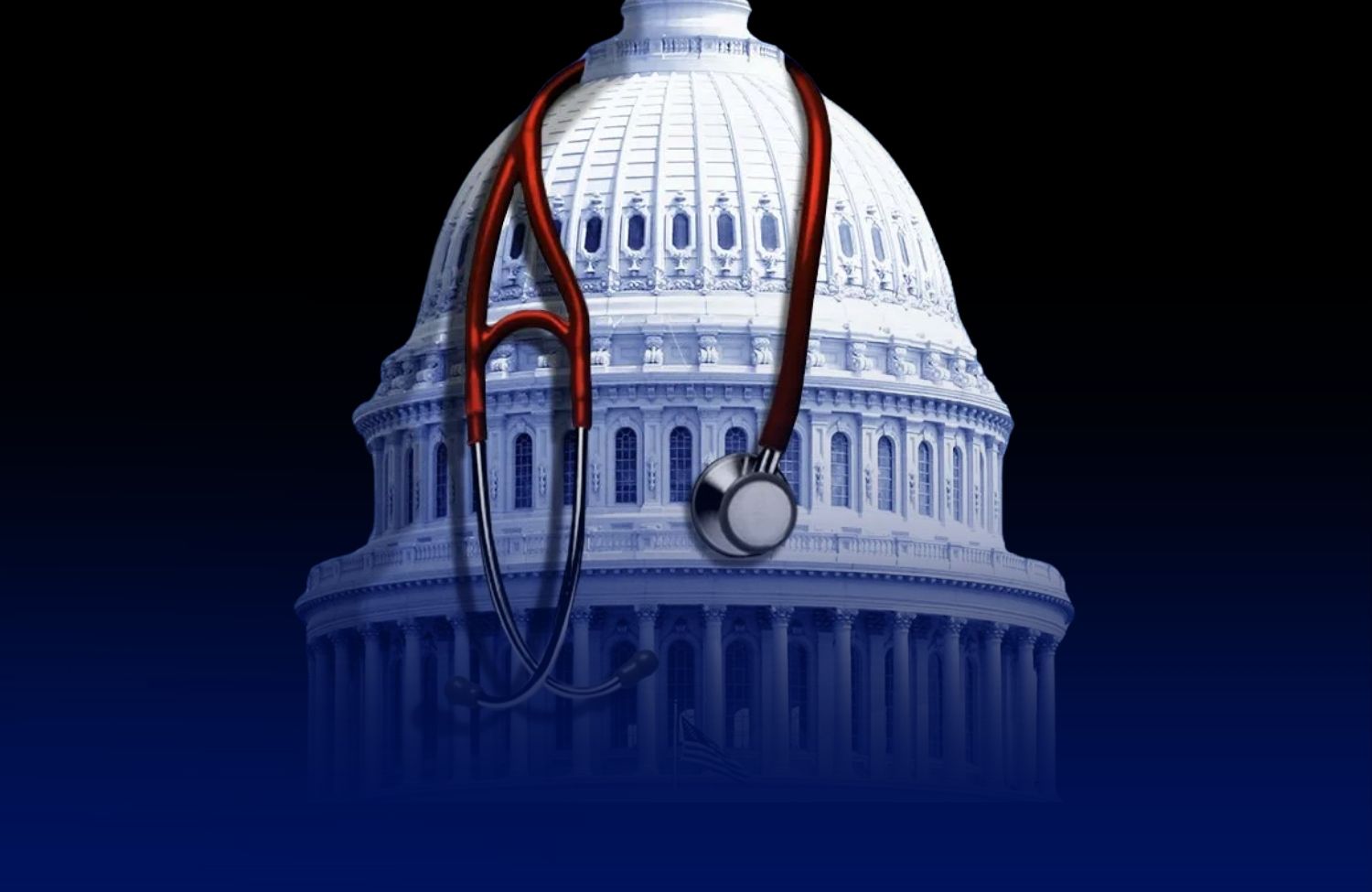
This week marks one year since a new administration took office, and the cumulative impact of its health-related decisions is coming into focus. What began as campaign rhetoric has translated into structural changes that touch nearly every corner of the health ecosystem — from global partnerships and civil rights enforcement to insurance markets, food policy, and the rapidly expanding footprint of artificial intelligence.
Taken together, these moves reveal a governing philosophy that prioritizes deregulation and individual responsibility while stepping back from systemic protections. For communities already navigating inequitable access to care, the consequences are not abstract. They are immediate and material.
Today, the President also released what the White House is calling the “Great Healthcare Plan,” a brief two-page framework that promises to lower drug prices, reduce insurance premiums, and increase transparency across the healthcare system. The plan calls for changes such as “most-favored-nation” drug pricing, shifting certain insurance subsidies to direct payments for consumers, and requiring insurers and providers to publicly post clearer cost and coverage information. However, the document is notably short on operational details, and many advocates and health policy experts remain skeptical about what these proposals would mean in practice for affordability, access, and protections for people with chronic conditions.
“As policy shifts accelerate, we have to look beyond headlines and assess how these decisions function in real life,” said Ifeoma C. Udoh, Ph.D., EVP of Policy and Research at the Black Women’s Health Imperative. “Health policy is never neutral. It either mitigates harm or compounds it.”
The Erosion of DEI Infrastructure and Its Real Consequences
Over the past year, a series of executive actions and policy directives targeting diversity, equity, and inclusion (DEI) programs has intensified, not quietly diminished. Federal leadership rescinded key orders that once required active recruitment, hiring, and retention of underrepresented groups, including removal of Executive Order 11246, which historically required affirmative action and diversity programs for federal contractors and grantees. These changes have created a chilling effect in health, education, and research sectors, limiting not just terminology but the substance of equity work at institutions that receive federal funds.
In addition, federal funding uncertainty has compounded the damage. A federal government grant pause in early 2025 disrupted the flow of billions of dollars in research funding, including support for health equity programs focused on disparities in care and outcomes for underserved populations. The impacts on higher education have been stark. Across the country, colleges and universities — including large public research institutions — have eliminated, restructured, or scaled back DEI offices and programs out of fear of losing federal support or facing compliance battles. Some campuses that once had thriving DEI initiatives have either dissolved those offices entirely or placed them under different bureaucratic umbrellas, slowing or stopping efforts to address systemic inequities in admissions, hiring, and campus life.
But beyond funding delays, the administration’s actions have resulted in the removal of critical public health information from federal websites, including datasets and guidance housed on CDC and NIH platforms. Much of this information has not been restored. For organizations like the Black Women’s Health Imperative, the consequences are immediate and concrete. Several BWHI resources that previously linked directly to CDC guidance now lead to broken or missing pages, particularly those related to HIV prevention, reproductive health, and community-based interventions. These were not obscure materials. They were evidence-based resources used by providers, advocates, educators, and community members to make informed health decisions.
Nonprofits are also feeling the ripple effects. Organizations that historically received federal grants to support equity-focused research, community health initiatives, and workforce diversification now face heightened compliance risks and shrinking funding streams. Federal guidance that treats equity-oriented policies as potentially discriminatory has forced some nonprofits to reassess DEI-related research, scholarship, and employment programs, with real consequences for community engagement and support services.
Without robust DEI infrastructure — from data collection and research funding to equitable hiring and culturally competent training — the pipeline of diverse health professionals shrinks. Evidence shows that a more diverse health workforce is associated with better access to care, higher patient satisfaction, and improved outcomes for historically marginalized communities.
Withdrawal from Global Health Leadership
One of the most consequential actions this year was the formal completion of the United States’ withdrawal from the World Health Organization (WHO) — a partnership the U.S. helped found and historically supported as its largest funder. On January 22, 2026, the U.S. ended its 78-year membership, ceasing participation in WHO governance, technical working groups, and global health emergency responses. Critics, including global health leaders and infectious disease experts, warn this move undermines shared disease surveillance systems and weakens global responses to pandemics, endemic outbreaks, and other cross-border health threats.
Insurance Uncertainty and Household Risk
With ACA marketplace enrollment now closed in most states, millions of Americans are locked into coverage decisions for 2026 just as healthcare costs rise. The enhanced premium tax credits that lowered monthly premiums expired at the end of last year, and Congress has not restored them. As a result, many households are paying significantly more for coverage, while others were priced out entirely.
Several states extended enrollment deadlines into late January in response to confusion and sudden premium increases, but for most people, the window has closed. Data from the Centers for Medicare & Medicaid Services show enrollment declines in some states, particularly among working families, caregivers, small business owners, and adults ages 50 to 64 who face higher age-rated premiums and are not yet eligible for Medicare.
The impact is already playing out in real life. Higher costs mean delayed care, rationed medications, and growing medical debt, pressures that ripple through households and local economies. Policy analysts are increasingly warning that the loss of enhanced tax credits could become a defining issue in the upcoming midterm elections, as millions of Americans experience these cost increases month after month.
“Health coverage is not just about access to doctors,” said Ifeoma C. Udoh, Ph.D., EVP of Policy and Research. “When insurance becomes unaffordable, families absorb the cost through lost income, poorer health, and diminished economic security.”
Nutrition Policy and the Illusion of Simple Fixes
The administration’s “Make America Healthy Again” (MAHA) agenda frames nutrition as a matter of individual discipline, promoting higher protein intake, full-fat dairy, and the reduction of ultra-processed foods. While the call to “eat real food” resonates with many people, the policy choices behind it have drawn serious concern from nutrition scientists, public health experts, and school nutrition leaders who say the guidance oversimplifies complex evidence and ignores structural realities.
At the center of the debate is the inverted food pyramid and the push to prioritize protein at every meal, including increased consumption of red meat and animal-based foods. Experts point out that most Americans already consume more than enough protein and that there is no strong scientific consensus supporting a population-wide increase. Instead, critics argue the shift deemphasizes plant-forward diets that have long been associated with lower risks of heart disease, diabetes, and certain cancers.
Public health advocates have also raised concerns about the influence of prominent wellness figures closely aligned with the administration. Individuals such as Mark Hyman, whose brand is tied to supplements, lifestyle products, and high-protein dietary frameworks, have helped popularize approaches that now appear reflected in federal messaging. This overlap has fueled questions about where evidence-based guidance ends and commercially driven wellness trends begin.
The ambiguity is already creating real-world consequences. School nutrition directors report confusion about how to implement the new pyramid in federally funded meal programs, particularly as budgets remain tight and supply chains strained. Retooling school menus toward higher meat and dairy consumption without additional funding or clear operational guidance has proven difficult and, in some cases, unrealistic.
For Black women and families, the stakes are especially high. Communities that already face higher rates of diet-related chronic disease are being offered guidance that emphasizes personal choice while overlooking food access, affordability, cultural foodways, and the cumulative effects of structural inequity. When nutrition policy prioritizes simplicity over context, it risks widening health disparities rather than reducing them.
Why This Moment Matters
None of these policy shifts exist in isolation. Together, they signal a retreat from collective responsibility in health and a redefinition of government’s role in protecting the public. For Black women and girls, whose health outcomes are shaped by overlapping systems of inequity, the stakes are especially high.
“This is not a moment for passive observation,” Dr. Udoh concluded. “It is a moment for vigilance, evidence-based advocacy, and sustained pressure to ensure that health policy serves people, not ideology.”
At the Black Women’s Health Imperative, we are responding with action. Here are ways you can engage in this moment:
- Stay informed with intention. Follow credible, evidence-based sources and be mindful of misinformation, especially around health policy, nutrition, and emerging technologies.
- Protect access to care. If you or someone you care for relies on ACA coverage, stay alert to special enrollment opportunities and state-level policy changes that may affect affordability or eligibility.
- Use your voice locally. Zoning decisions, school meal policies, and environmental approvals often happen at the local level. Showing up to hearings or submitting public comments can influence outcomes.
- Support organizations filling the gaps. As federal resources disappear or weaken, community-based organizations are stepping in. Financial support, partnerships, and amplification matter.
- Stay connected to BWHI. We will continue to track policy changes, elevate data, and translate what’s happening into clear, actionable insight centered on Black women’s health.
This moment calls for clarity, courage, and collective action. Together, we can insist on health policy that protects dignity, opportunity, and the right to thrive.